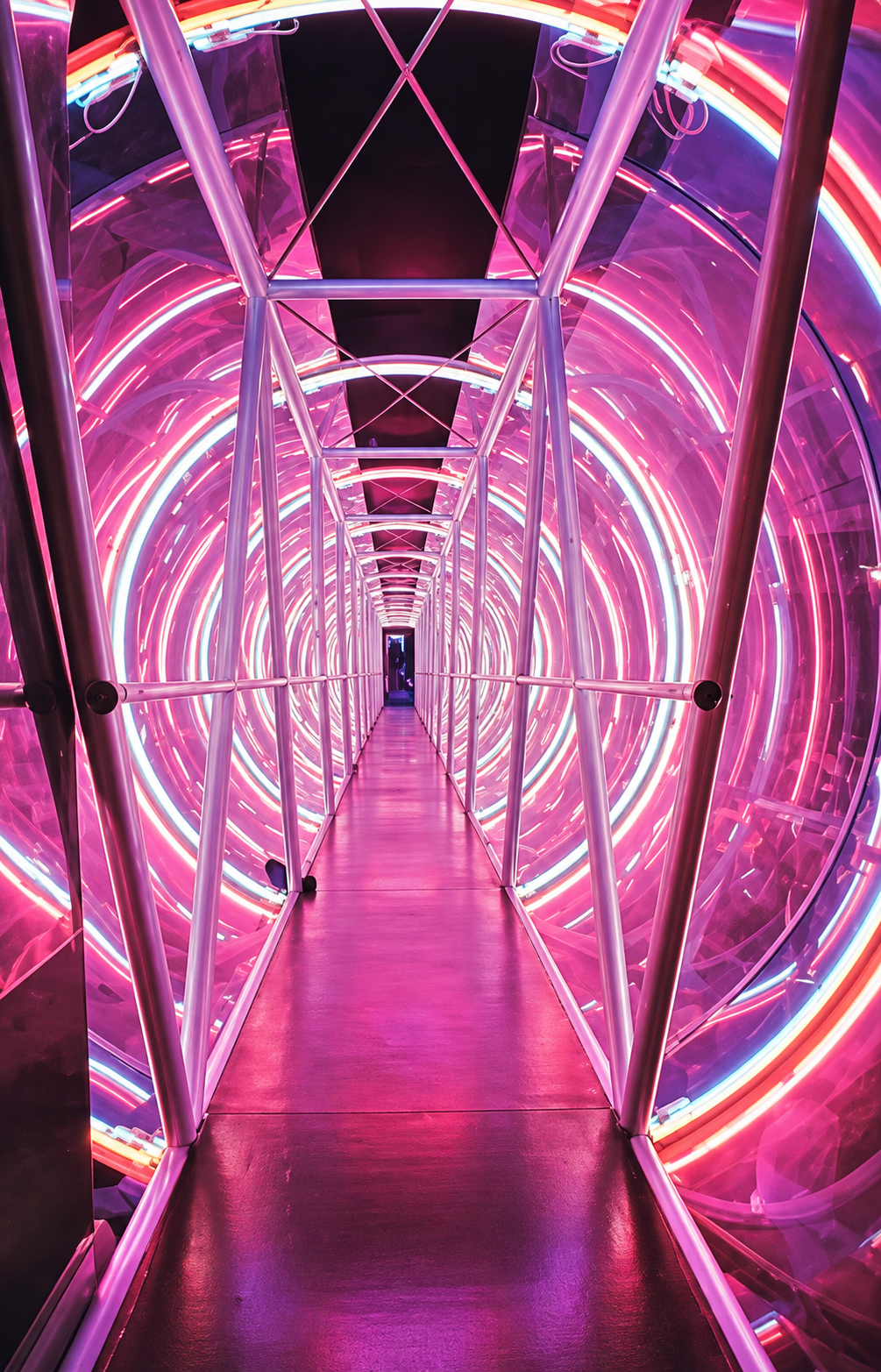

Inside the club where architecture, lasers, electronic music and theatrical spectacle came together in one of Italo Disco’s most ambitious worlds.
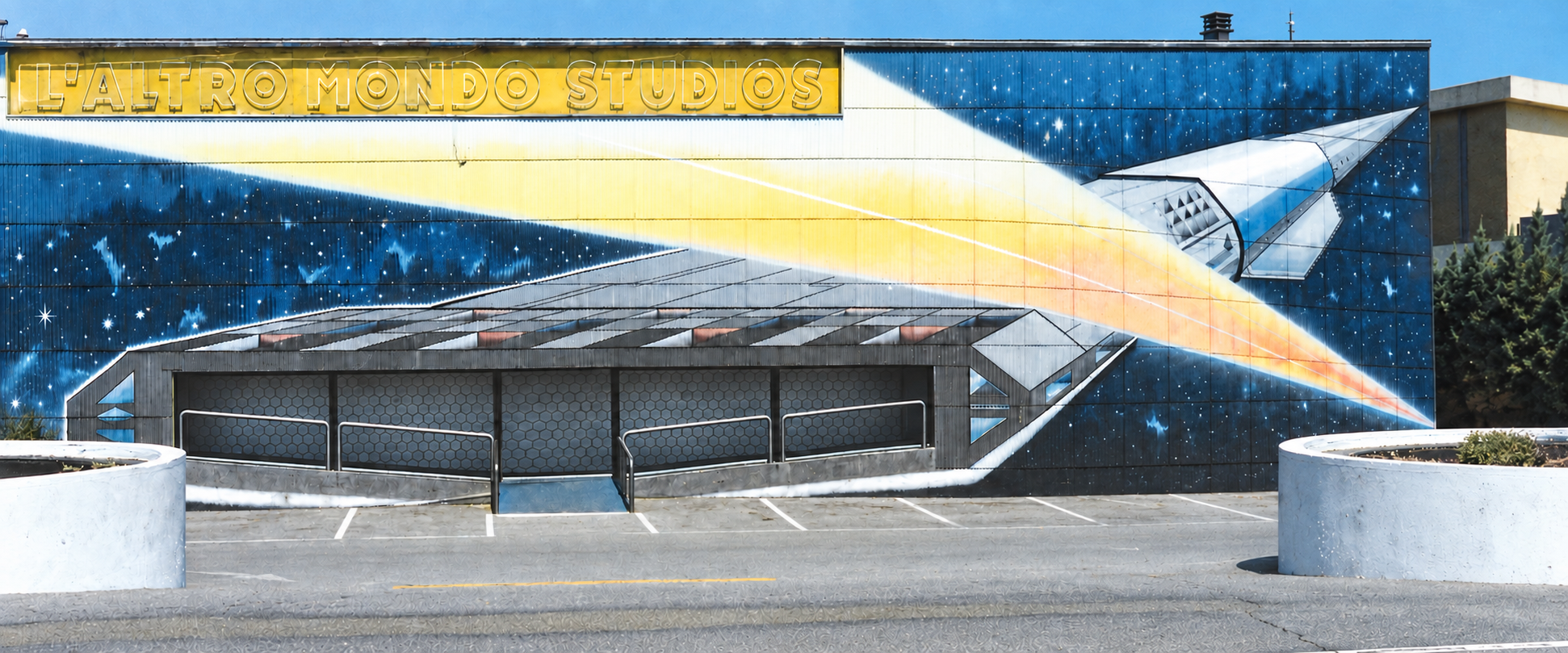
On the Adriatic coast, nightlife has always been part of the landscape. Yet L’Altro Mondo was never intended to be just another place to dance. From its opening in Rimini in 1967, it presented itself as a different world: a futuristic environment in which architecture, technology, music and performance could become one continuous experience.
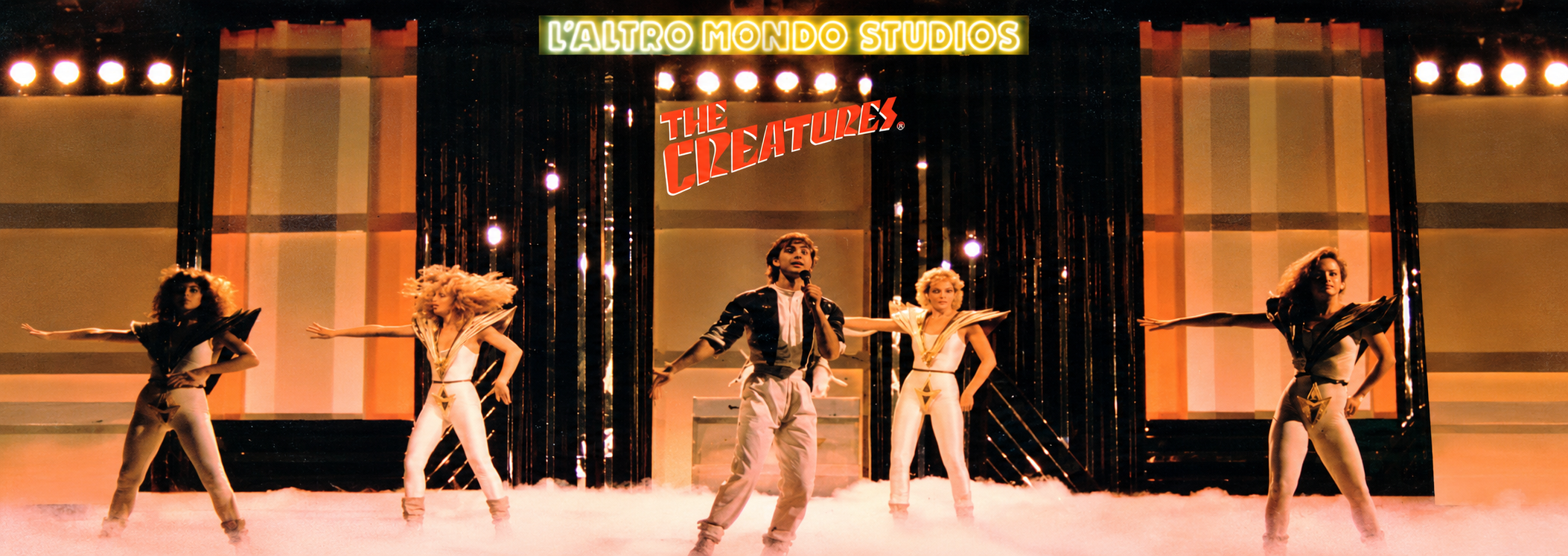
During the 1980s that idea reached its most spectacular form. Robots crossed the dance floor. Lasers cut through smoke. Costumed figures appeared above the audience. A giant insect-like spacecraft rose from beneath the club. At the centre of this theatre stood The Creatures, a project that was simultaneously a band, a dance company, a studio production and the living identity of L’Altro Mondo Studios.
Their story belongs to the history of Italo Disco, but it also reaches beyond records and charts. It is the story of a venue attempting to build the future inside a nightclub.
“Dance the night away in incredible science fiction surroundings.” — L’Altro Mondo Studios advertisement, Billboard, 12 April 1986
The beginning of another world
L’Altro Mondo opened in Miramare di Rimini in 1967 under its founder, Gilberto Amati. The timing was remarkable. According to Rimini’s Biblioteca Gambalunga, the venue was only about five and a half months old when it participated in a RAI Eurovision broadcast on New Year’s Eve 1967. Photographs preserved in the Davide Minghini archive show a young club already presenting itself as a place of national importance.
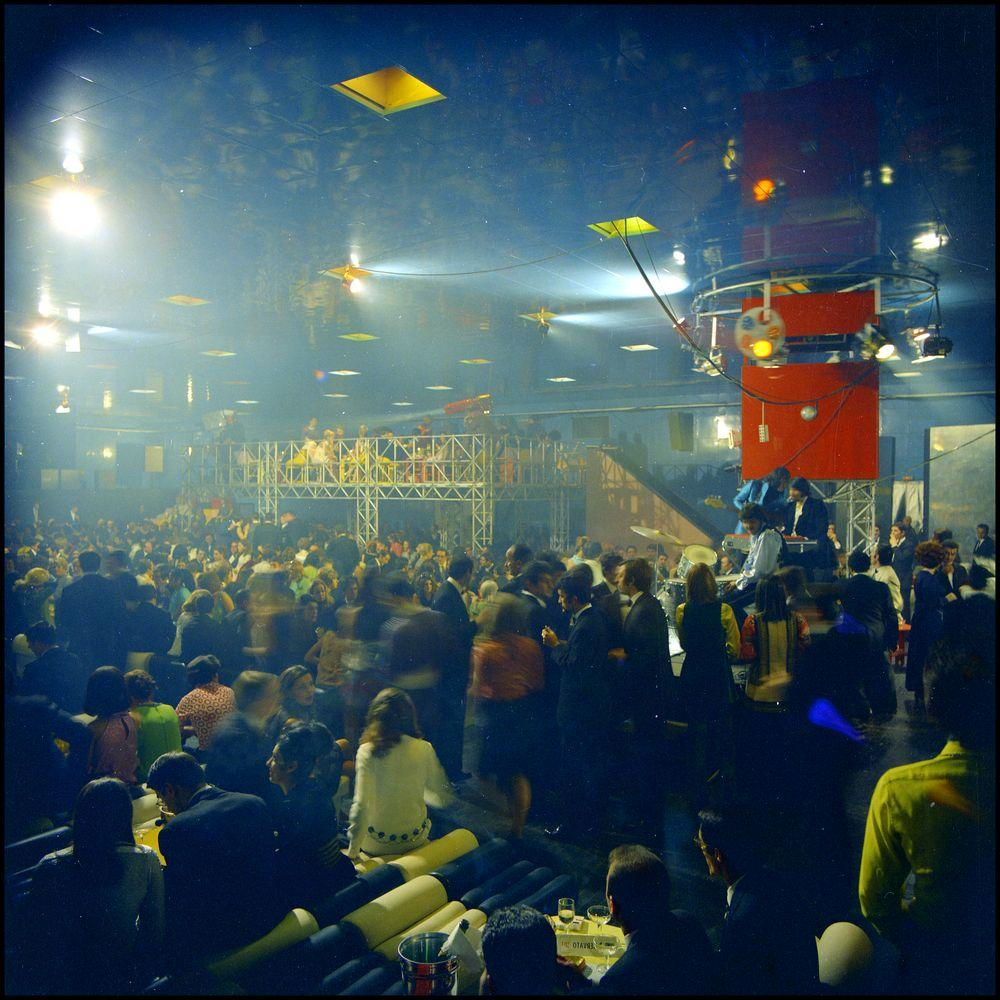
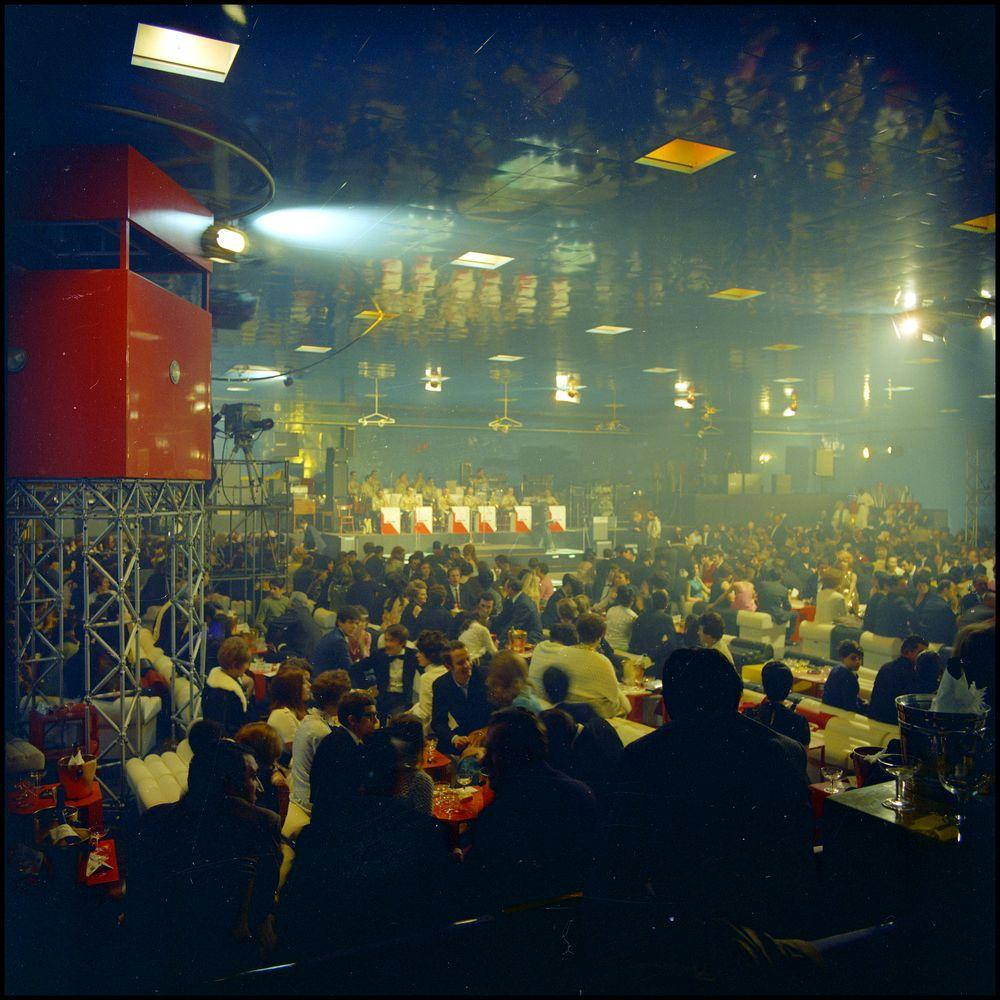
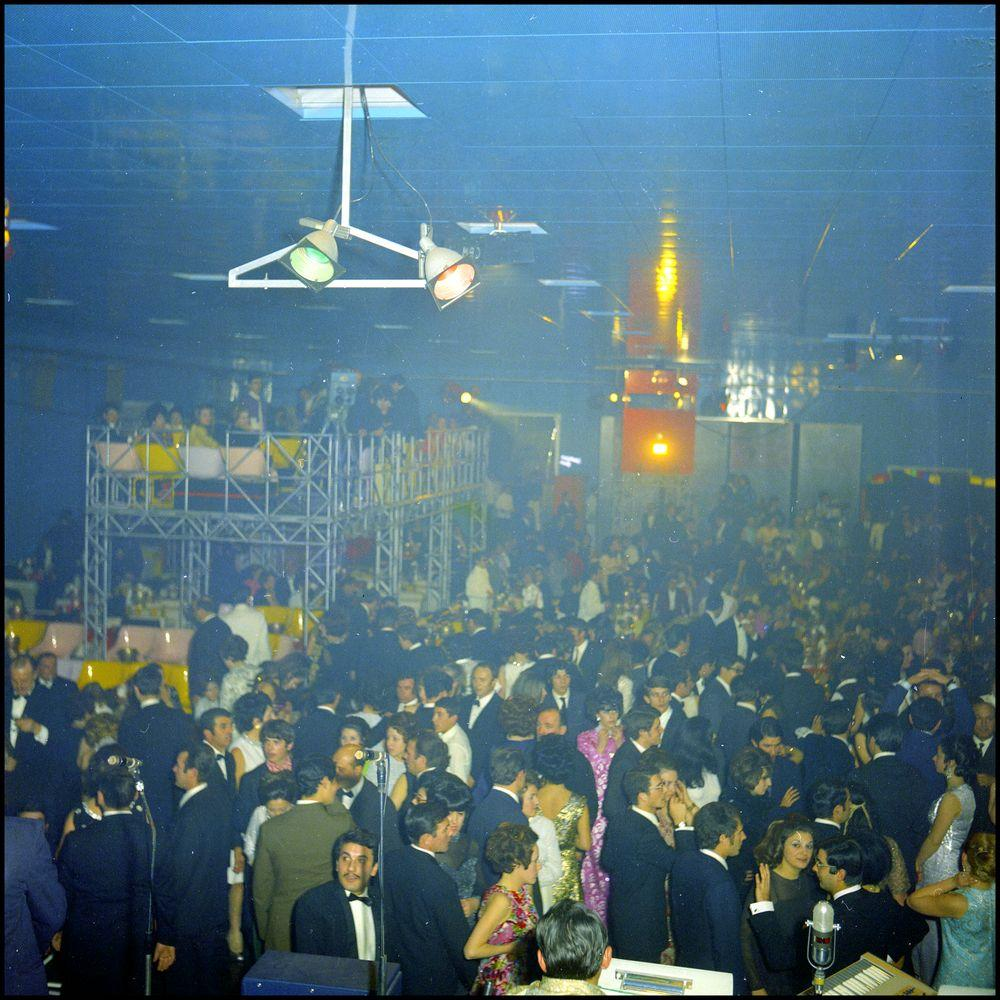
The first L’Altro Mondo was part concert hall, part architectural experiment. Its early programme included major Italian and international performers. Later accounts name Lucio Battisti, Ray Charles, PFM, Banco del Mutuo Soccorso, Le Orme, New Trolls, the Pooh and the Rockets among the artists associated with the venue.
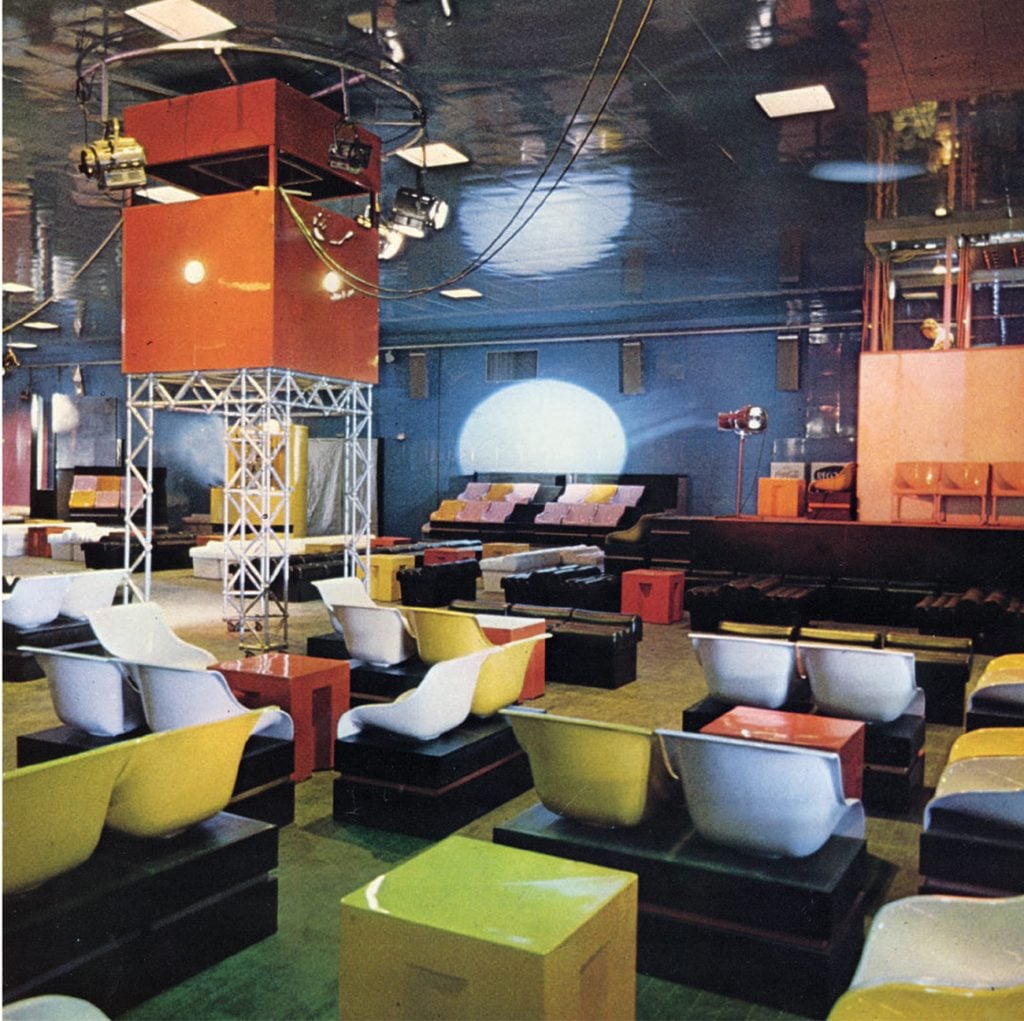

After Amati’s death, the club entered a new period under Guerrino Galli and Piero — sometimes identified as Pietro — Bevitori. Sources disagree over whether their takeover should be dated to 1972 or 1973. The difference may reflect separate moments in the purchase, transfer and daily operation of the business. Without a surviving contract or company record, 1972–1973 is the most responsible date range.
What is clear is that the new management gradually transformed the venue. By the beginning of the 1980s, L’Altro Mondo had become L’Altro Mondo Studios: not merely a discotheque, but a production environment with its own visual language, music and recurring cast.


When the club became the show
The word “Studios” mattered. The club was treated like a film set in permanent motion. Sound, lighting, scenery, costumes and choreography were planned as parts of the same production. In a later interview, Enrico Galli remembered the moment when the normal programme would stop and a specially produced science-fiction soundtrack would begin. The room darkened; smoke and coloured laser beams appeared; dancers in alien costumes emerged; and masked figures became visible near the DJ booth.
The most famous set piece was Space Fly. Rimini’s official tourism history describes it as a futuristic spacecraft shaped like a gigantic fly. It rose from below the dance floor carrying “aliens”, turning the room itself into a stage. Some retrospective sources describe the structure as more than ten metres long, although that measurement still needs confirmation from technical drawings or production records.
For the audience, the effect was less like attending a concert than entering a story already in progress. Danish collector and DJ Flemming Dalum, who travelled repeatedly to Italy between 1983 and 1986, recalled robots moving into the room, artificial snow falling and The Creatures appearing as ancient horned aliens. His private photographs preserve some of the rarest colour views of the show.

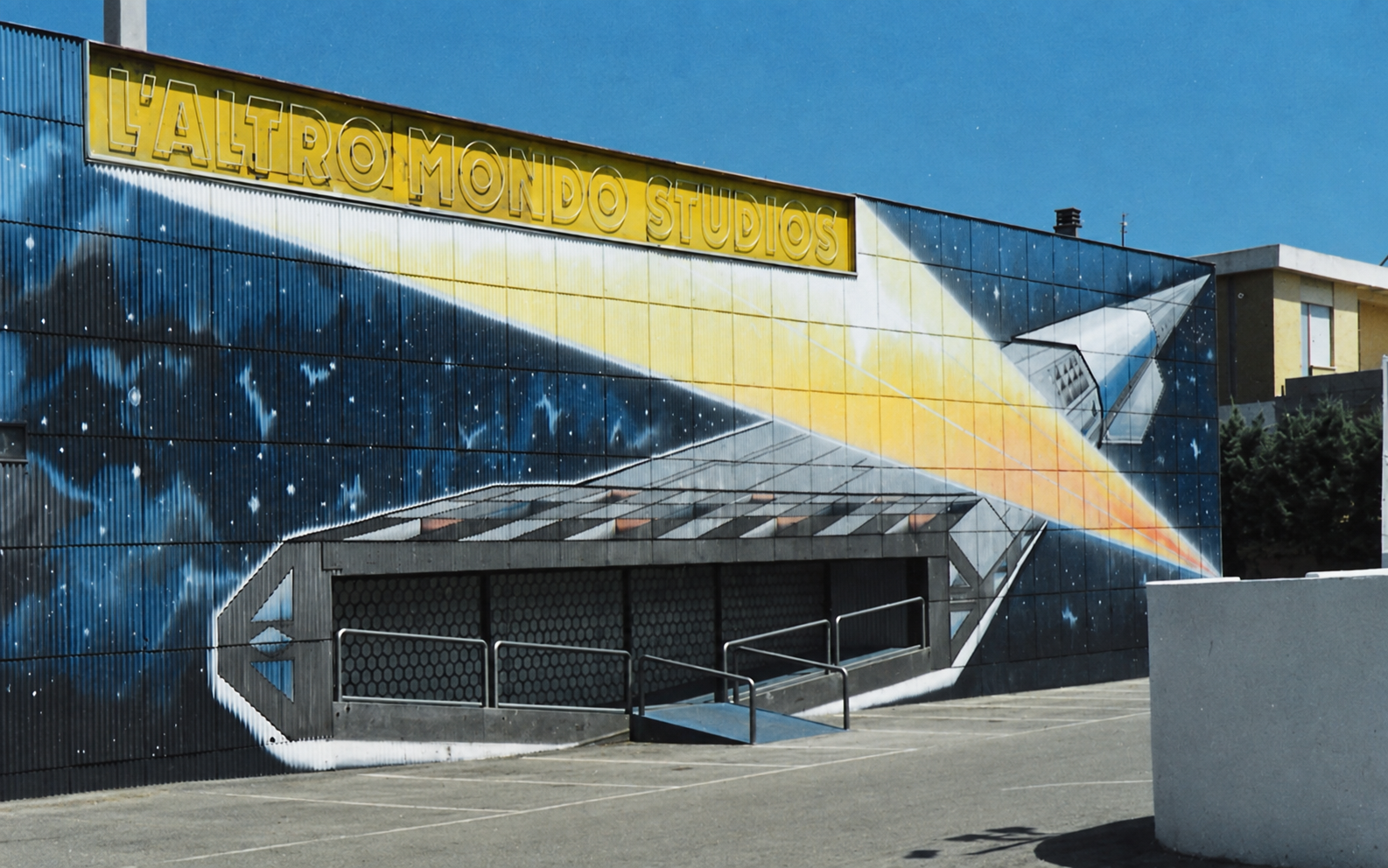
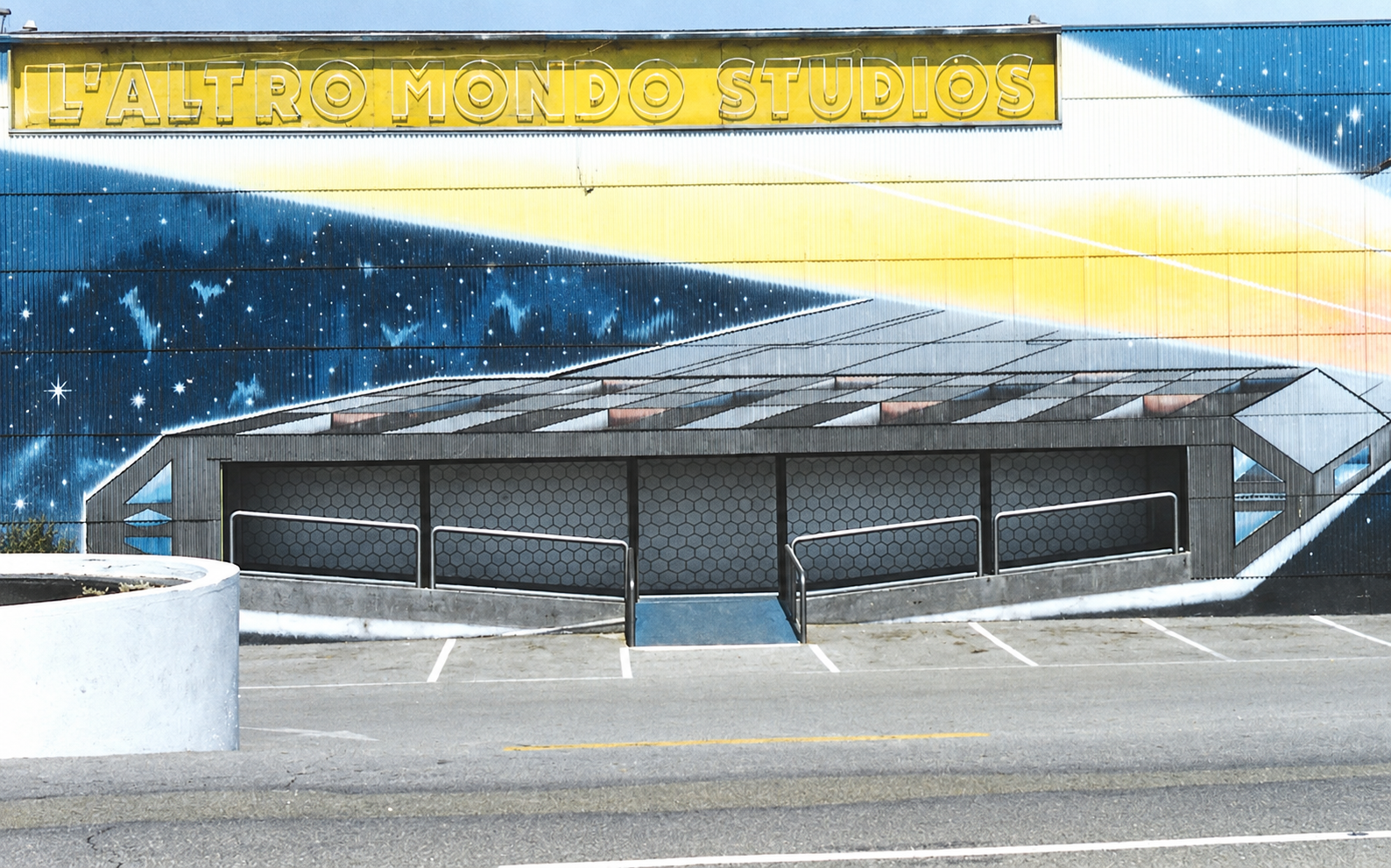
The Creatures were more than a conventional band
The Creatures are often described as an Italian musical group, but that definition tells only part of the story. They began as a company of dancers and performers formed inside the club. On stage they embodied the world suggested by the records: robots, mutants, astronauts and mysterious figures whose identities were often hidden by masks.
This helps explain why the project’s membership can be difficult to reconstruct. The people composing and recording the music were not always the same people seen dancing, singing or acting on stage. Line-ups changed, studio vocalists may not have appeared in the live spectacle, and performers could function as characters rather than public personalities.
The principal figures behind the project included:
- Guerrino Galli, owner of L’Altro Mondo Studios, producer and initiator of the club shows;
- Antonello Difino, performer, frontman and the most recognisable public face of the later Creatures;
- Mario Flores, composer, arranger and musical director;
- Maurizio Sangineto, known as SANGY, lyricist, arranger, composer and producer;
- Giovanni Agostinucci, a scenographer with Cinecittà experience whom Difino credits with important ideas for sets and costumes.
Secondary discographies also name performers including Cristina Sparnacci, Patrizia Droghetti, Beverly Barret and Vittorio Galli, nicknamed “the monster”. A woman identifying herself as Monica wrote on the Revival ’80 Blog that she belonged to the company from 1983 to 1987. These are valuable leads, but a definitive cast list will require original programmes, production documents or consistent testimony from the participants.
From experimental electronics to Italo Disco success
The earliest Creatures recordings were closely tied to the venue in both title and atmosphere. Expansion – L’Altro Mondo Studios, released in 1982, presented an electronic, science-fiction sound world before the project moved closer to the melodic form now associated with Italo Disco.
The 1983 album L’Altro Mondo Studios brought the Flores–Sangy partnership into sharper focus. Its tracks included Starting from Here, Believe in Yourself, Inspiration, Aida, Digital Rebel and The Amazing Run in the Tube. The record’s fold-out artwork is especially important as a visual document. It contains photographs of robots, costumed performers, club scenery and illuminated effects that are otherwise poorly represented online.
Believe in Yourself gave the project wider recognition and television exposure. In 1984, Maybe One Day became its biggest Italian success. Hit Parade Italia places the single at number 11, although later municipal and retrospective sources sometimes describe it as a Top 10 hit. The specialised chart figure is therefore the safer one to use.
The following period produced Illusion, Just in the Name of Love, Solar Eclipse and Where You Are. Just in the Name of Love reached number 48 in the 1985 Hit Parade Italia listing. By 1986 the club was advertising The Creatures internationally in Billboard, presenting their records beside the futuristic venue as parts of one exportable concept.
Later releases included Japan, the music connected with Una donna da scoprire, and Concerto No. 1. Difino remembers the final album as appearing in 1990, while some secondary discographies list Mutation in 1991. That discrepancy remains unresolved.
Selected chronology
| Year | Record or event | Significance |
|---|---|---|
| 1967 | L’Altro Mondo opens | Gilberto Amati’s futuristic venue begins in Miramare di Rimini |
| 1967–1968 | RAI/Eurovision New Year broadcast | Early evidence of the club’s national profile |
| 1972–1973 | Galli and Bevitori era begins | Sources differ by one year |
| 1982 | Expansion – L’Altro Mondo Studios | Early electronic album and direct tribute to the club |
| 1983 | L’Altro Mondo Studios; Believe in Yourself | Breakthrough period and television visibility |
| 1984 | Maybe One Day; Festivalbar; Jocks | Peak public recognition |
| 1985 | Illusion; Just in the Name of Love; Azzurro | Continued national exposure |
| 1986 | Japan; international Billboard advertisement | The club and music marketed as a unified concept |
| 1987 | Una donna da scoprire | Film and soundtrack evidence of the later stage act |
| 1988–1991 | Later albums and changing line-ups | The chronology becomes less certain |
Television turned the club act into a national image
Television removed The Creatures from the physical limits of the club. A contemporary issue of L’Unità confirms their presence with Maybe One Day at Festivalbar in August 1984. Festivalbar and Azzurro brought the group’s mixture of dance music and visual presentation to audiences across Italy.
Retrospective accounts also connect the act with Popcorn and Superclassifica Show. Former participants have mentioned Drive In and the Maurizio Costanzo Show, but exact episodes have not yet been located. These claims should remain labelled as research leads until programme listings or broadcaster archives can confirm them.
Surviving video is particularly valuable because still photographs rarely explain how the show functioned. In the moving images, costumes, choreography and scenery can be studied together. They also reveal how the public image of the group changed between the largely masked early spectacle and the more recognisable later frontman era.
Two films preserved the spectacle
The most important moving record may be Jocks, directed by Riccardo Sesani. The Archivio del Cinema Italiano lists The Creatures among the performers and credits Mario Flores and “Sangi” for the music. Italian Ministry of Culture records show that production began in September 1983 and that the film was registered in 1984.
The film is now remembered partly because its final sequence preserves an extended futuristic performance inside L’Altro Mondo Studios. Its mixture of narrative cinema, nightclub promotion and music video makes it an unusual document of the Italo Disco period.
Sesani returned to Rimini for Una donna da scoprire in 1987. The Cineteca di Bologna identifies Rimini and Riccione as locations and connects the music to Sangy and The Creatures. Antonello Difino also appears as a character. The film contains unusually long performance passages, offering evidence of the group’s later costumes, stage positions and repertoire.
Who actually sang the records?
One of the most persistent unanswered questions concerns the studio voices. Antonello Difino was unquestionably the frontman and is repeatedly described as the singer of The Creatures. However, a detailed fan discussion about Una donna da scoprire claims that Bruno Karras sang the studio version of Maybe One Day and that Difino’s own recorded vocals came later.
The currently available sleeve and label credits do not settle the issue. They document the work of Flores, Sangy and engineer or mixer Maurizio Chiesura, but do not consistently identify the lead vocalist for every track. The responsible conclusion is therefore not to select one story, but to keep the question open.
A conclusive answer would require master-tape documentation, studio session sheets, detailed SIAE records or matching testimony from the singers, composers, producers and engineers involved.
The people behind the masks
In his 2022 interview, Difino described a demanding seasonal rhythm. The company worked in the club every day from May to October, then travelled for performances in Italy and abroad during winter. That routine reinforces the idea that The Creatures were a resident theatrical company as much as a record act.
Album artwork from the later period begins to place human faces beside the fantasy. The back cover associated with Concerto No. 1 shows five performers on horseback and credits Antonello Difino as lead vocalist, with Chris, Beverly, Lory and Patty as the Creatures’ voices. It names Stefano Ferroni as photographer. This is one of the clearest surviving formal group images, but it belongs to a later line-up and cannot automatically identify the people seen in the 1982–1984 shows.
A future that still looks strange
L’Altro Mondo Studios did not merely book an Italo Disco group. It created an ecosystem in which a venue, a record catalogue and a theatrical company promoted one another. The club supplied the architecture and mythology. Flores and Sangy supplied much of the musical identity. Agostinucci and the production team turned that identity into scenery and costume. Difino and the other performers made the imagined world visible.
The result was extravagant, commercial and sometimes deliberately mysterious. The masks concealed the very people modern researchers now want to identify. The flexible line-up that made the show possible also left behind contradictory credits and memories. Yet those complications are not separate from the appeal of The Creatures. They are part of what the project was: a collective fiction assembled nightly in light, smoke, music and movement.
Today the surviving records and films do more than evoke 1980s nostalgia. They document a moment when the Italian discotheque became a laboratory for total entertainment. In Rimini, the future did not arrive quietly. It rose from beneath the dance floor.
Research status: This is a documented working history. Corrections, identified performers, dated photographs and primary production records are welcome.